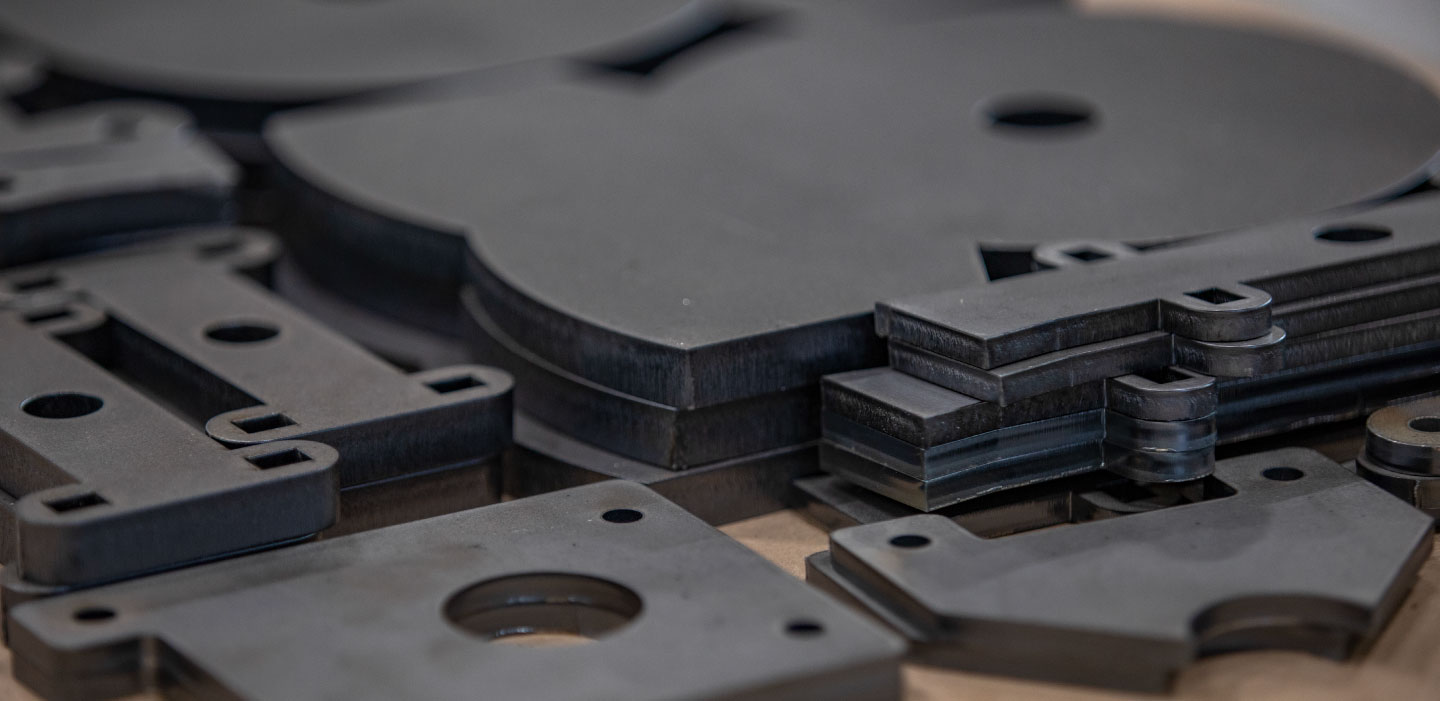
Not every production program starts with an order for thousands of components. Engineers may need a few dozen or a few hundred parts to support a new product, specialized equipment, replacement inventory, or a program with fluctuating demand.
For relatively simple sheet metal components, low-volume laser cut parts offer an efficient way to meet these requirements while maintaining the precision and repeatability expected from production manufacturing.
Why Laser Cutting Works Well for Lower Production Volumes
Manufacturing economics can change considerably depending on the process selected.
Processes requiring dedicated dies or other specialized tooling may make sense when extremely high quantities justify the upfront investment. Laser cutting follows a different production model. A CNC-controlled laser uses a digital program to create the required geometry, eliminating hard tooling for the cutting operation.
That makes CNC laser cutting particularly useful when an engineer needs production-quality parts without committing to a massive initial order.
It can support applications such as:
- Mounting brackets
- Flat plates
- Gussets
- Machine guards
- Reinforcement plates
- Equipment panels
- Covers
- Structural tabs
- Other flat OEM components
Low-volume Production Provides Greater Purchasing Flexibility
Ordering more parts than a program currently requires can create its own costs.
Excess components have to be stored and managed. If the design changes, unused inventory may become obsolete. New programs can also have uncertain demand, making it difficult for procurement teams to determine the ideal order quantity.
Low-volume laser cutting allows manufacturers to align purchasing more closely with actual requirements.
An OEM could order an initial production quantity, evaluate real-world demand, and place additional orders as necessary. A manufacturer supporting multiple equipment configurations could purchase different components according to the volume required for each model.
This flexibility can be especially useful for parts with relatively straightforward geometries because laser cutting can move from digital files to production without developing dedicated cutting tooling.
Design Simple Parts With Production in Mind
A simple part can still become unnecessarily expensive if its design creates avoidable manufacturing requirements.
One important consideration is tolerance.
Engineers should specify tolerances according to how a feature functions in the finished assembly. Mounting interfaces, mating features, alignment points, and other critical dimensions may require tighter control. Features without the same functional importance may allow more flexibility.
Laser cutting performance is affected by factors such as material behavior, heat input, feature spacing, and toolpath continuity. Establishing appropriate tolerances helps support consistent production while reducing unnecessary manufacturing complexity.
Engineers should also consider:
- Hole and slot dimensions
- Spacing between features
- Material type and thickness
- Part orientation
- Edge requirements
- Secondary operations
Addressing these factors before releasing a drawing can make both the initial production run and future orders easier to manufacture.
Material Utilization Matters Even at Lower Volumes
Efficient material use is commonly associated with high-volume production, but it also affects the economics of smaller orders.
Laser cutting software can nest multiple components across a sheet to make more effective use of available material. For straightforward parts, efficient nesting can reduce scrap and help control the material contribution to the final part price.
The geometry of the component influences how efficiently this can be done. Small changes to dimensions or feature placement may sometimes improve nesting without changing the function of the part.
Laser cutting is particularly suited to this approach because optimized nesting and CNC-controlled production can support efficient material use without requiring a dedicated tool for each design.
Consider What Happens After Laser Cutting
The cutting operation may be the entire manufacturing process for a simple flat component. Other parts may require bending, machining, welding, finishing, or assembly before they are ready for use.
Understanding those requirements early can simplify sourcing.
A flat bracket, for example, might require laser cutting followed by a straightforward bend. A mounting plate may need machining for a critical interface. Other components could require coating or hardware installation.
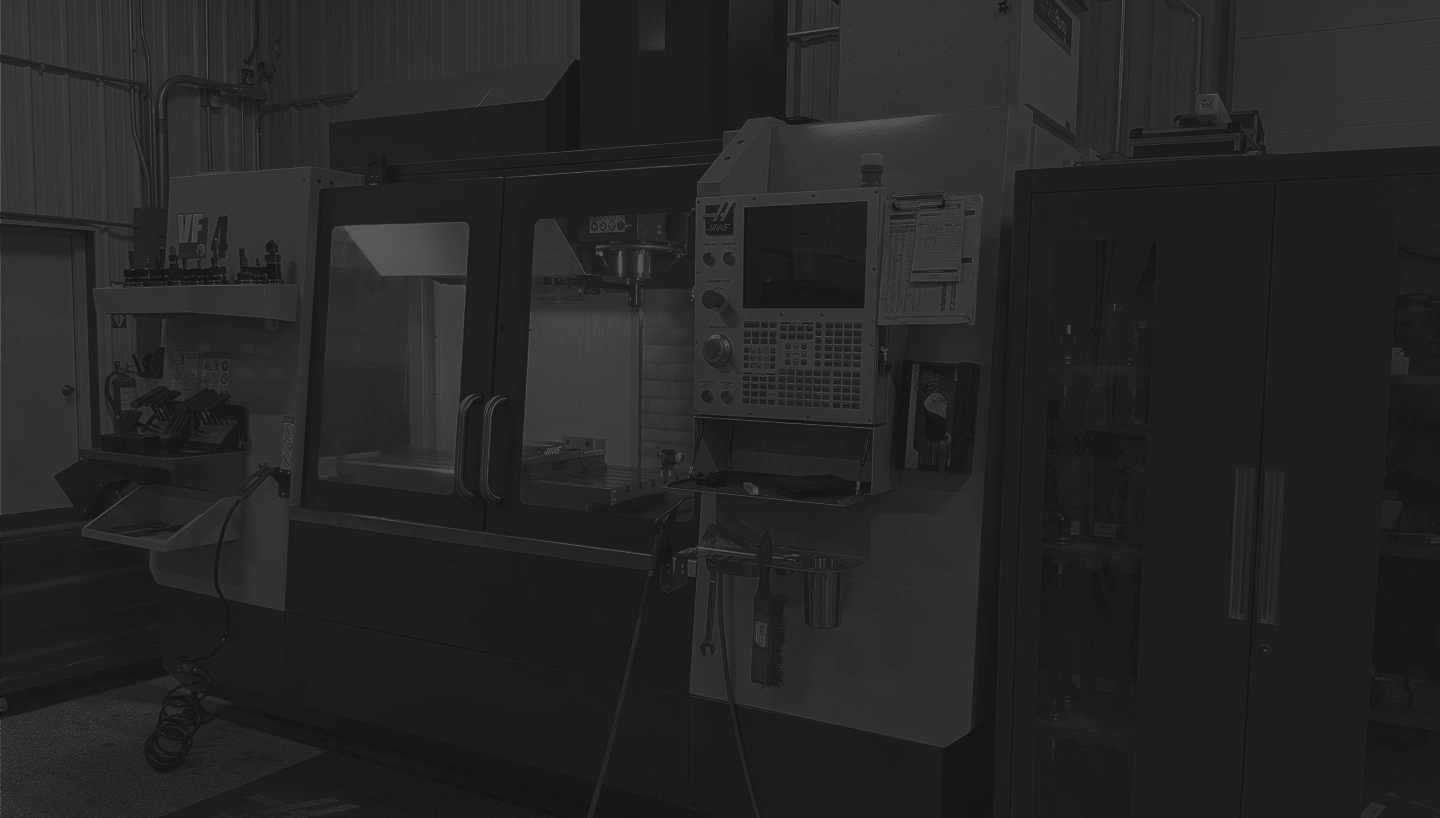
Working with a supplier that can coordinate multiple processes can reduce the number of vendors involved in the production chain. SteinerZ provides laser cutting alongside CNC forming, machining, welding, finishing, kitting, packaging, and other fabrication capabilities.
For parts that only require laser cutting, keeping the manufacturing path simple can make smaller production runs particularly efficient.
Plan for Repeat Orders From the Beginning
Low-volume does not necessarily mean one-time production.
A company may initially need 100 components and then reorder the same part several times throughout the year. Another program might begin with a limited release before increasing production as customer demand grows.
That makes repeatability an important sourcing consideration from the first order.
Engineers and quality managers should consider whether a supplier can maintain consistent dimensions, materials, revision control, and inspection practices across subsequent production runs. A documented quality management system also helps establish repeatable processes as orders continue.
What to Send When Requesting a Quote
Providing complete project information helps a laser cutting supplier evaluate a job accurately and identify potential manufacturing issues before production begins.
For a straightforward laser-cut component, prepare:
- CAD files or drawings
- Material specification
- Material thickness
- Required quantity
- Dimensional tolerances
- Critical features
- Finish requirements
- Desired delivery date
- Expected repeat or annual quantities
Sharing anticipated future quantities can be especially helpful. A supplier can evaluate the immediate Low-volume order while understanding how the component may need to scale later.
Source Low-Volume Laser Cut Parts From SteinerZ
SteinerZ provides precision CNC laser cutting for manufacturers requiring everything from initial production quantities to recurring production runs.
With tolerances as tight as ±.005 inches, ISO 9001:2015 certification, and integrated fabrication capabilities, our team is equipped to support simple laser-cut components as production requirements evolve.
Have a part ready for production? Contact SteinerZ to submit your drawings, quantities, and specifications and request a quote.