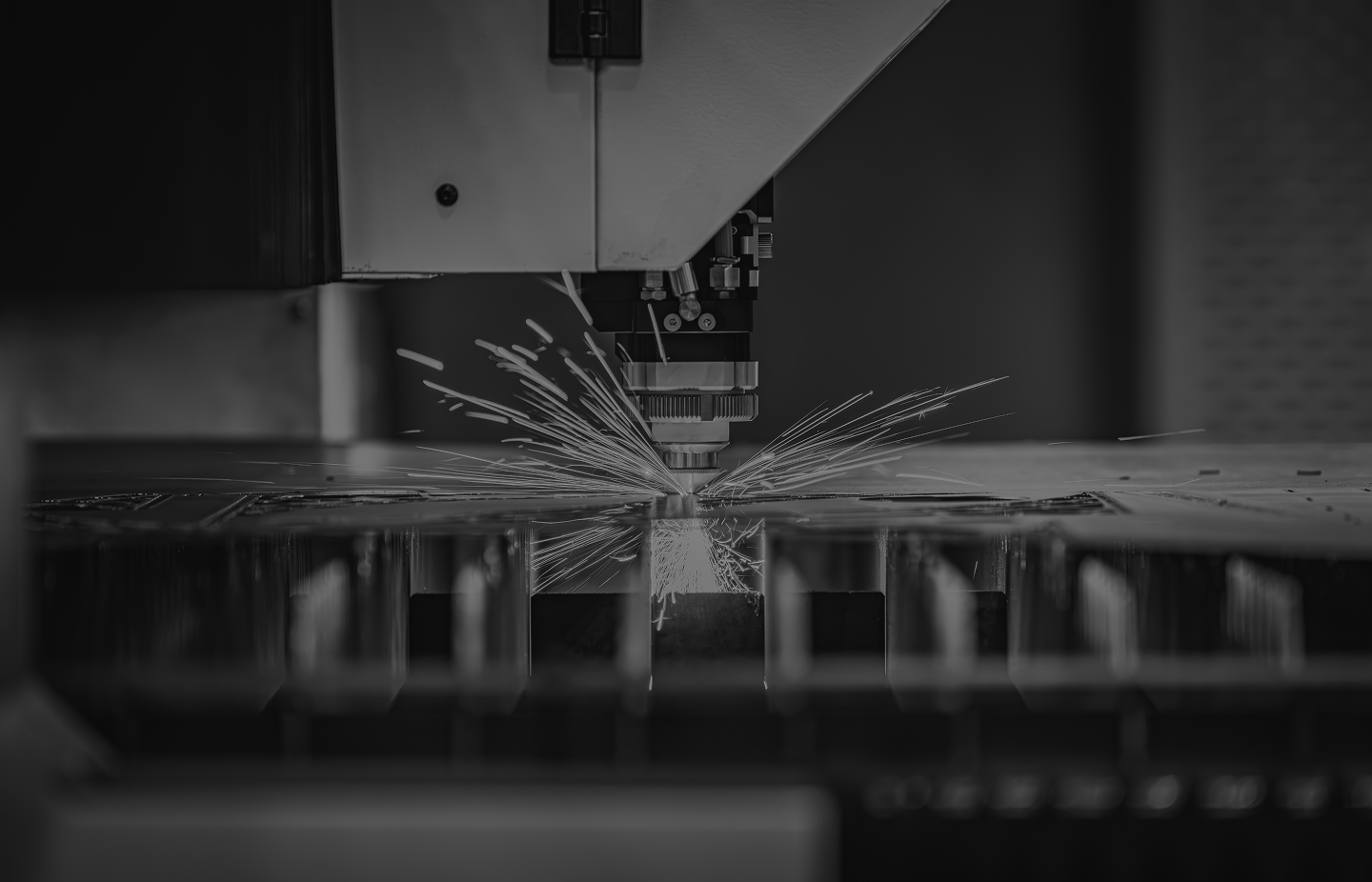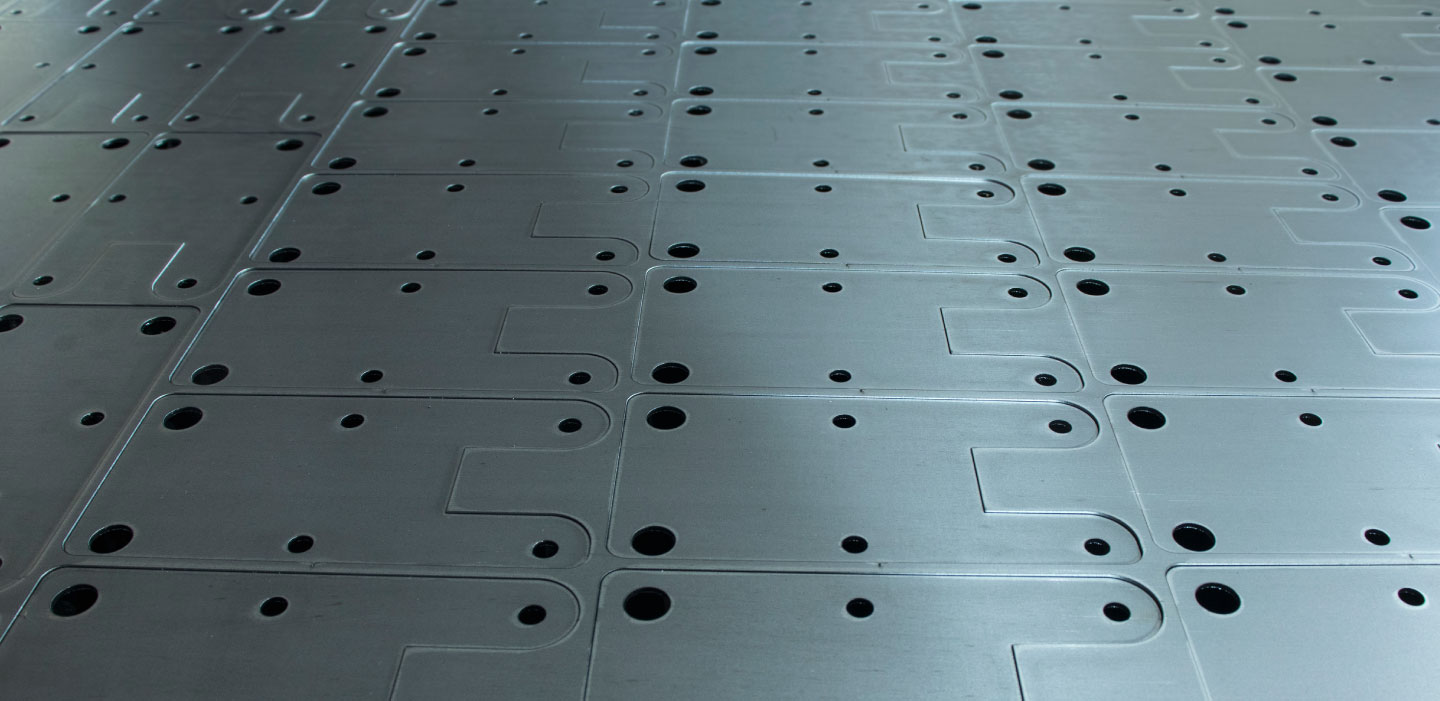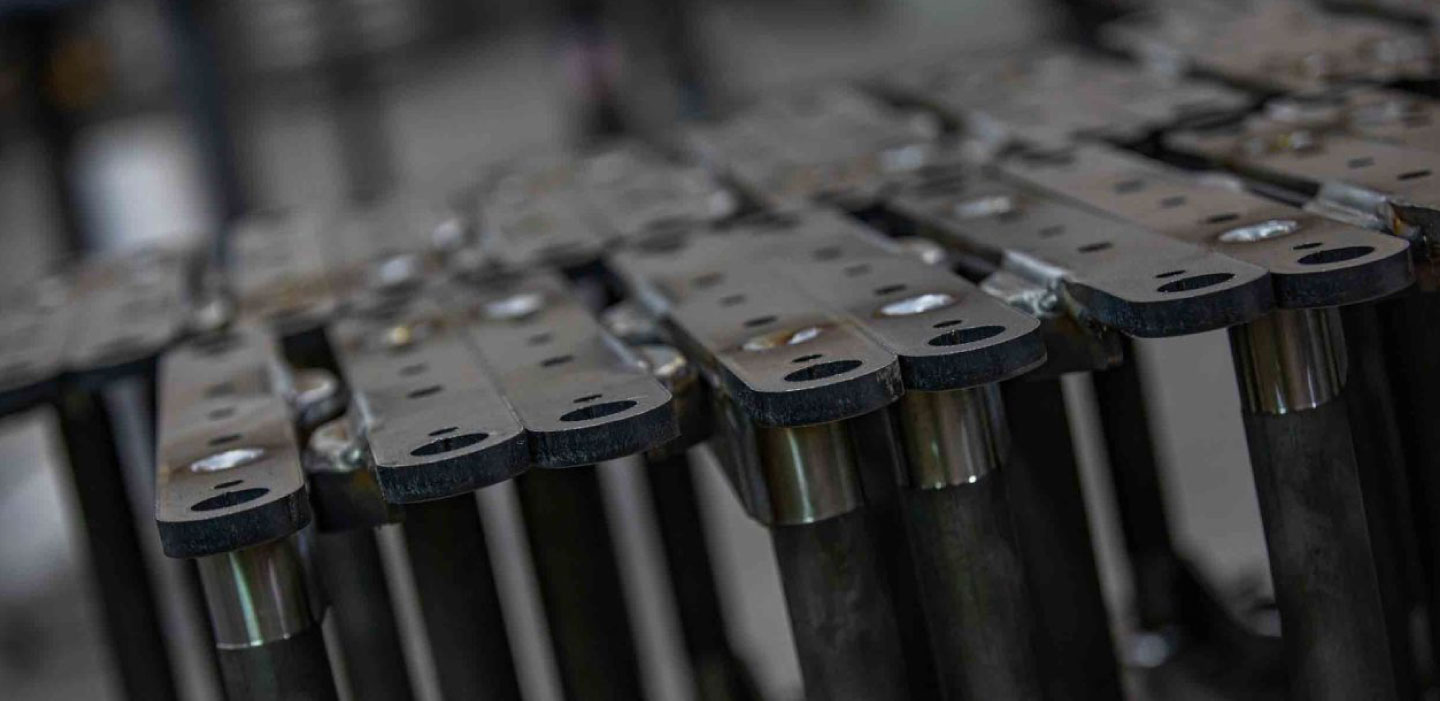
For simple sheet metal components produced in medium- to high-volume quantities, laser cutting for metal fabrication has become one of the most efficient and reliable manufacturing methods available. It combines precision, speed, and repeatability without the tooling costs associated with many traditional fabrication processes.
For engineers and quality managers, the question is rarely whether laser cutting can produce a part. The more important question is whether it’s the right manufacturing strategy for the production volumes, lead times, and quality requirements of the project.
Why Laser Cutting Has Become a Core Metal Fabrication Process
Modern laser cutting has transformed sheet metal fabrication by allowing manufacturers to produce clean, accurate parts with minimal secondary processing.
Compared to conventional cutting methods, laser cutting offers several advantages:
- Tight, repeatable tolerances
- Clean edge quality
- Minimal material distortion
- Faster setup times
- Excellent material utilization
- Scalable production from prototypes through recurring production runs
These benefits make laser cutting an ideal solution for manufacturers producing flat sheet metal components across industries such as agriculture, construction, industrial equipment, power generation, and OEM manufacturing.
The Best Applications for Laser Cutting in Metal Fabrication
Laser cutting excels when parts are relatively simple but ordered repeatedly.
Typical applications include:
- Mounting brackets
- Reinforcement plates
- Gussets
- Covers and panels
- Machine components
- Electrical enclosures
- Structural supports
- Flat OEM components
These parts often represent some of the highest-volume items on a bill of materials. Even though they’re straightforward to manufacture, delays or quality issues can quickly affect production schedules.
For companies placing recurring orders, selecting a fabrication partner that specializes in these types of parts often delivers better long-term performance than relying on a general-purpose fabrication shop.
Precision Alone Doesn’t Solve Production Problems
Many manufacturers advertise precision.
Few talk about production consistency.
When evaluating laser cutting for metal fabrication, engineers should consider three questions:
- Can the supplier maintain quality across every production run?
- Can they consistently deliver on schedule?
- Can they scale production as demand grows?
These factors directly impact inventory planning, assembly schedules, and overall manufacturing efficiency.
Precision comes from more than machine capability. Part geometry, programming, material behavior, and process consistency all contribute to reliable manufacturing outcomes.
What Makes a Laser Cutting Partner Different from a Fabrication Shop?
Many fabrication companies offer laser cutting as one of dozens of capabilities. Some manufacturers build their operations around it.
That distinction matters.
A laser cutting specialist is often better equipped to optimize:
- Material nesting
- Machine utilization
- Production scheduling
- Repeat orders
- High-volume throughput
Rather than treating simple production parts as smaller jobs competing with large fabrication assemblies, choose a partner that focuses on helping customers efficiently manufacture recurring components at scale.
Design Decisions That Improve Manufacturing
Laser cutting is highly flexible, but thoughtful design still improves manufacturability.
Engineers can reduce production costs by considering:
Feature Spacing
Proper spacing between holes, slots, and cut features improves cut quality while reducing unnecessary heat concentration.
Standard Material Thicknesses
Using commonly stocked materials often shortens lead times and improves purchasing flexibility.
Efficient Part Geometry
Simple design refinements can improve nesting efficiency, increasing material utilization while lowering production costs.
Appropriate Tolerances
Specifying functional tolerances rather than unnecessarily restrictive dimensions helps improve manufacturability without sacrificing performance.
Looking Beyond Price When Choosing a Laser Cutting Partner
Price will always influence sourcing decisions.
However, engineers and quality managers know that the lowest piece price rarely tells the entire story.
Supplier performance should also include:
- On-time delivery
- Batch-to-batch consistency
- Communication
- Quality management systems
- Manufacturing capacity
- Engineering support
Check out our recent guide that outlines practical evaluation criteria for selecting a long-term manufacturing partner. From process controls to scalability and engineering support, these questions help buyers look beyond equipment specifications alone.
Laser Cutting for Metal Fabrication Is Strongest When Built Around Production
For OEMs producing simple sheet metal components in larger quantities, working with a manufacturer that specializes in precision laser cutting can improve quality, reduce lead times, and simplify supply chain management.
SteinerZ has built its operation around exactly that model. By combining advanced CNC laser cutting with automated forming, machining, welding, and finishing capabilities, the company helps manufacturers move from drawings to production-ready parts with greater speed and consistency.
If you’re sourcing laser cutting for metal fabrication and need a partner built for simple parts and recurring production, contact SteinerZ to discuss your project or request a quote.