When sourcing metal components, engineers and procurement professionals are often faced with an important question: Should this part be laser cut, CNC machined, or both?
While laser cutting remains one of the most efficient methods for producing flat metal components, many projects eventually require additional machining to achieve tighter tolerances, precision features, or finished assembly requirements.
For companies seeking precision CNC milling parts, selecting the right fabrication strategy is critical to balancing performance, lead time, and budget.
Understanding the Difference Between Laser Cutting and CNC Milling
Laser cutting and CNC milling are both precision manufacturing processes, but they serve different purposes.
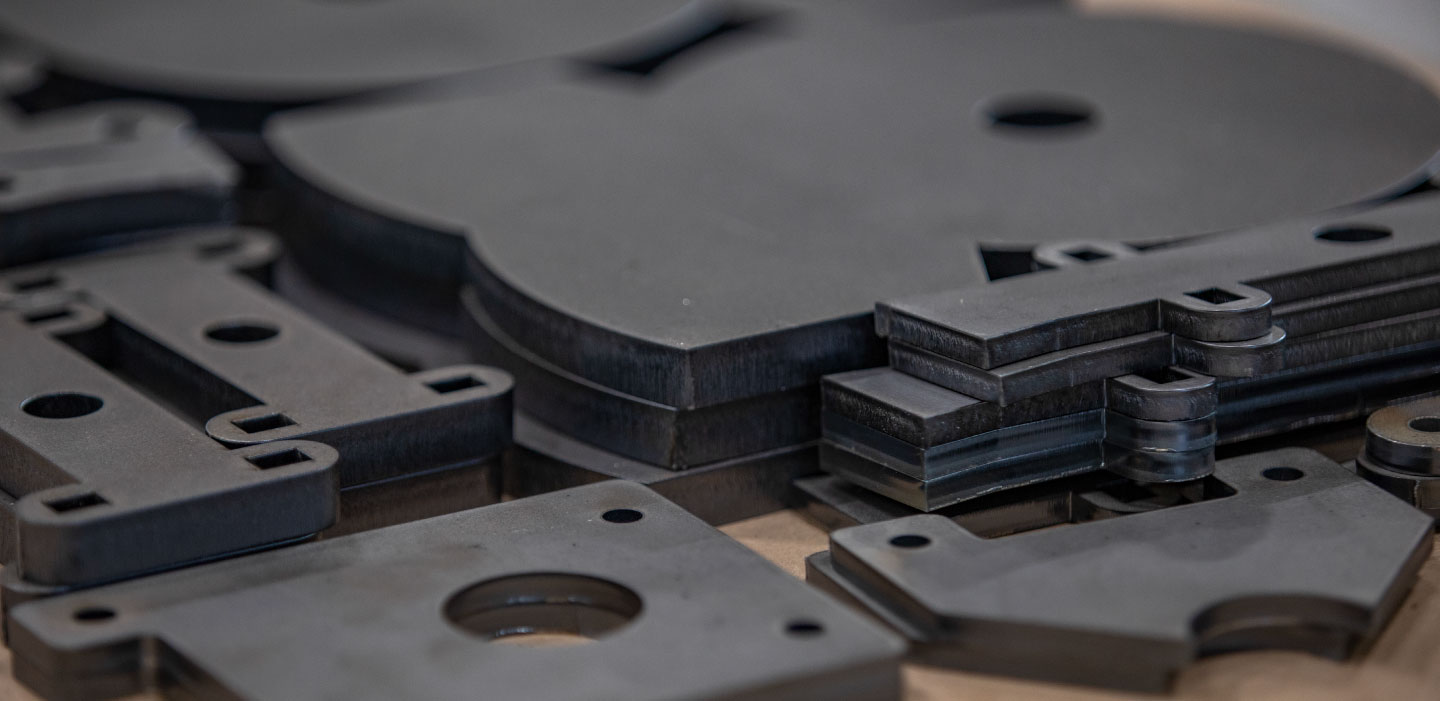
Laser cutting uses a focused beam of light to cut flat sheet metal into precise shapes. It excels at producing profiles, holes, slots, and complex geometries quickly and cost-effectively.
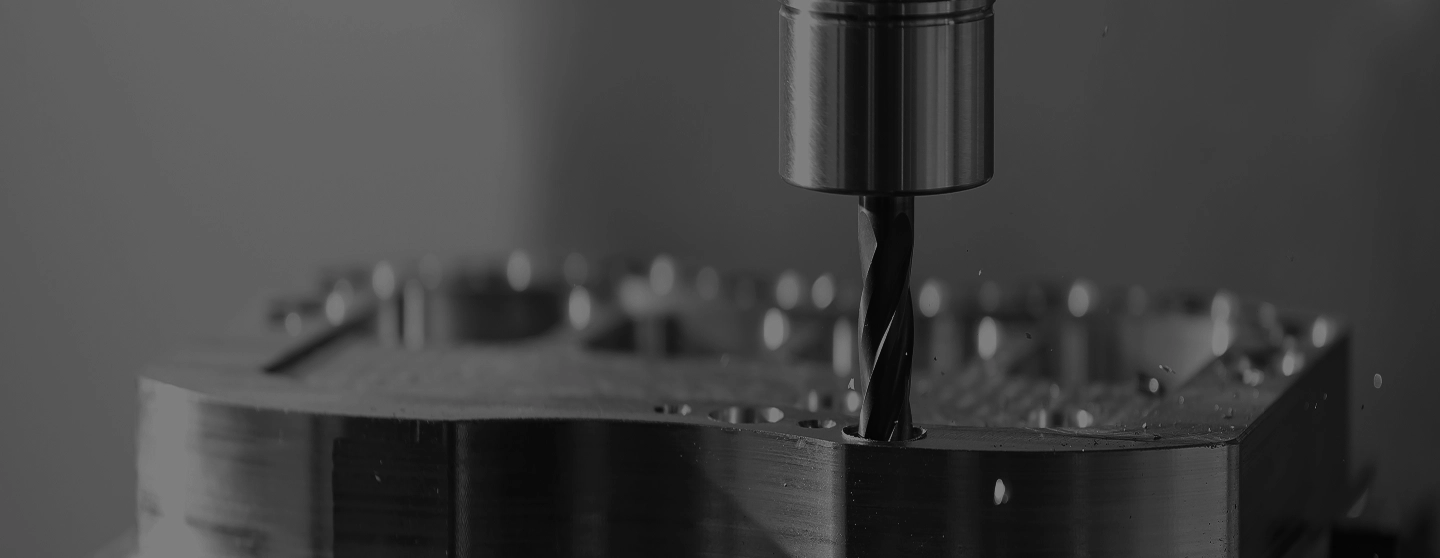
CNC milling, on the other hand, removes material using rotating cutting tools. This process allows manufacturers to create features that laser cutting alone cannot produce, including:
- Precision pockets
- Counterbores
- Threaded holes
- Surface contours
- Tight-tolerance machined features
- Complex three-dimensional geometries
In many fabrication projects, laser cutting serves as the first operation, while CNC milling provides the final precision features needed for assembly and performance.
When Laser-Cut Parts Require Precision CNC Milling
Many engineered components begin as simple laser-cut blanks before moving into secondary machining operations.
This hybrid manufacturing approach offers several advantages:
Improved Material Efficiency
Laser cutting quickly produces the base profile from sheet metal with minimal material waste. Rather than machining an entire part from solid stock, manufacturers can remove only the material necessary to achieve final features.
This often results in lower production costs and faster turnaround times.
Higher Precision Where It Matters
Laser cutting delivers excellent accuracy for many applications. However, some assemblies require tolerances beyond what cutting alone can consistently achieve.
Examples include:
- Bearing locations
- Alignment features
- Precision mounting surfaces
- Critical hole patterns
- Threaded connections
In these situations, CNC milling ensures dimensional consistency and repeatability across production runs.
Reduced Manufacturing Costs
Fully machining every feature on a part can increase cycle times and overall production costs.
By combining laser cutting with CNC machining, manufacturers can leverage the speed of laser processing while reserving milling operations only for critical features. This optimized workflow often delivers the best balance of quality and affordability.
Common Industries That Require Precision CNC Milling Parts
Precision-machined metal components are essential across a wide range of industries.
Industrial Equipment Manufacturing
Industrial machinery often relies on precision mounting plates, brackets, housings, and support structures that require both laser-cut profiles and machined features.
Accurate hole placement and mating surfaces help ensure proper equipment alignment and long-term reliability.
Automation and Robotics
Automation systems depend on highly accurate components to maintain repeatable movement and positioning.
Precision CNC milling allows manufacturers to produce:
- Sensor mounts
- Robotic brackets
- Machine frames
- Custom tooling components
Aerospace and Defense
Many aerospace applications require tight tolerances, lightweight materials, and strict quality standards.
Combining laser cutting with CNC machining allows manufacturers to achieve complex geometries while maintaining structural integrity and compliance requirements.
Medical Equipment
Medical device manufacturers frequently require precision-machined components that support critical assemblies and specialized equipment.
Consistent quality and repeatability are essential for meeting regulatory and performance requirements.
Material Considerations for CNC Milling and Laser Cutting
Material selection plays a major role in manufacturing performance and cost.
Common materials used for precision CNC milling parts include:
- Aluminum
- Stainless steel
- Carbon steel
- Tool steel
- Brass
- Copper
Each material presents unique machining characteristics that affect cutting speeds, tool life, and achievable tolerances.
For example, aluminum offers excellent machinability and lightweight performance, while stainless steel provides superior corrosion resistance but often requires more advanced machining strategies.
Working with an experienced fabrication partner helps ensure material selection aligns with both engineering requirements and manufacturing efficiency.
Critical Tolerances and Quality Requirements
When evaluating CNC machining providers, engineers should consider more than basic dimensional accuracy.
Key quality factors include:
- Surface finish requirements
- Geometric tolerances
- Hole position accuracy
- Flatness and parallelism
- Repeatability across production runs
- Inspection and quality documentation
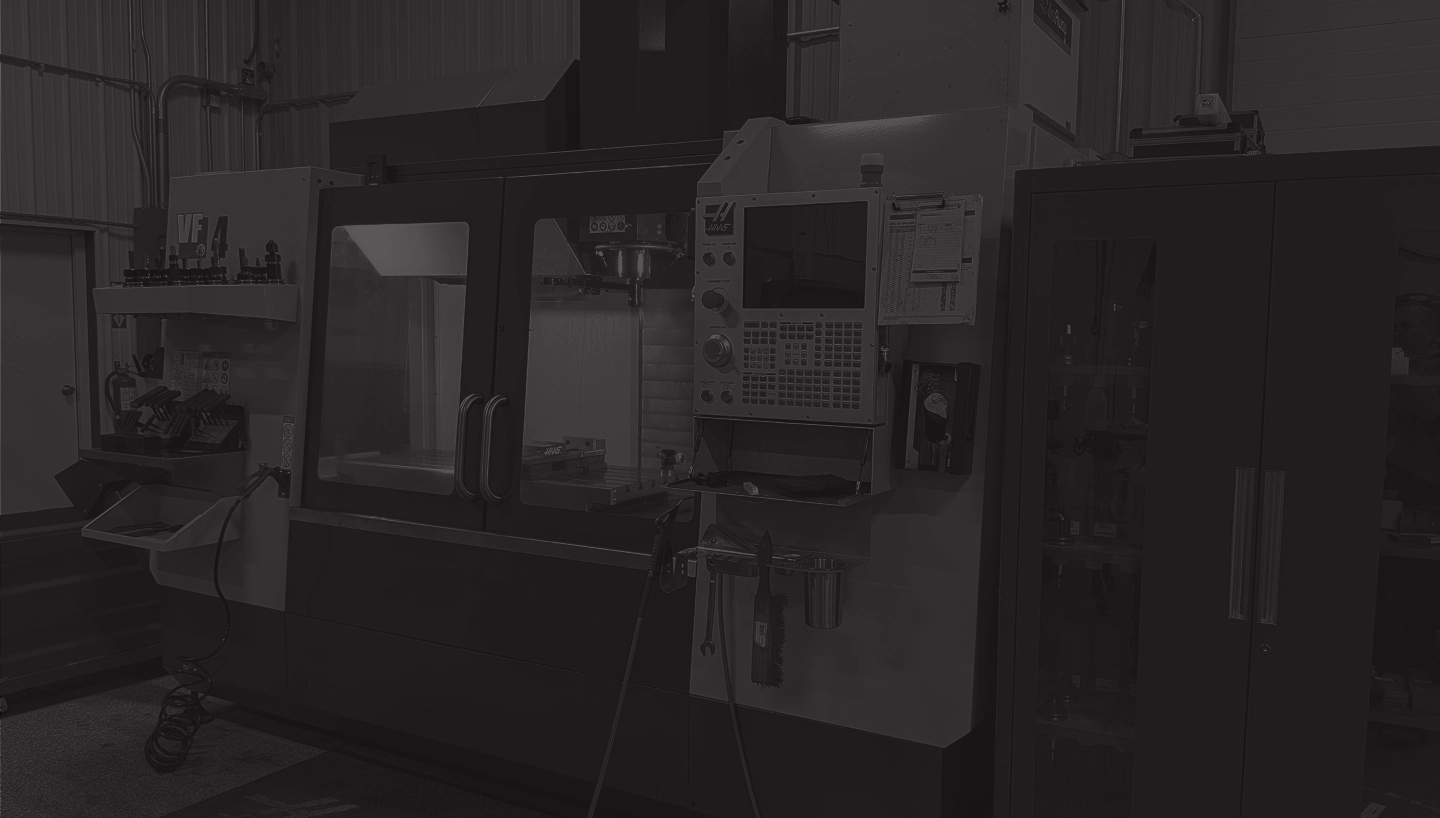
Modern CNC equipment combined with robust quality control processes allows manufacturers to consistently deliver parts that meet demanding specifications.
For assemblies involving multiple fabricated components, maintaining these tolerances can significantly reduce fit-up issues and downstream production delays.
Why Engineers Choose Integrated Fabrication Partners
Many buyers prefer suppliers that offer both laser cutting and CNC machining under one roof.
An integrated fabrication partner provides several advantages:
- Simplified project management
- Faster lead times
- Improved communication
- Reduced shipping and handling
- Better quality control
- Streamlined production workflows
Instead of coordinating multiple vendors, engineers can work with a single supplier that manages the entire fabrication process from raw material to finished component.
This approach often results in lower overall costs and greater manufacturing consistency.
Request a Quote for Precision CNC Milling Parts
If you’re sourcing precision CNC milling parts or evaluating the best manufacturing process for your next project, SteinerZ can help.
Contact our team today to discuss your design requirements, tolerances, materials, and production goals. We’ll help identify the most efficient fabrication approach to ensure your parts are delivered accurately, cost-effectively, and on schedule.